
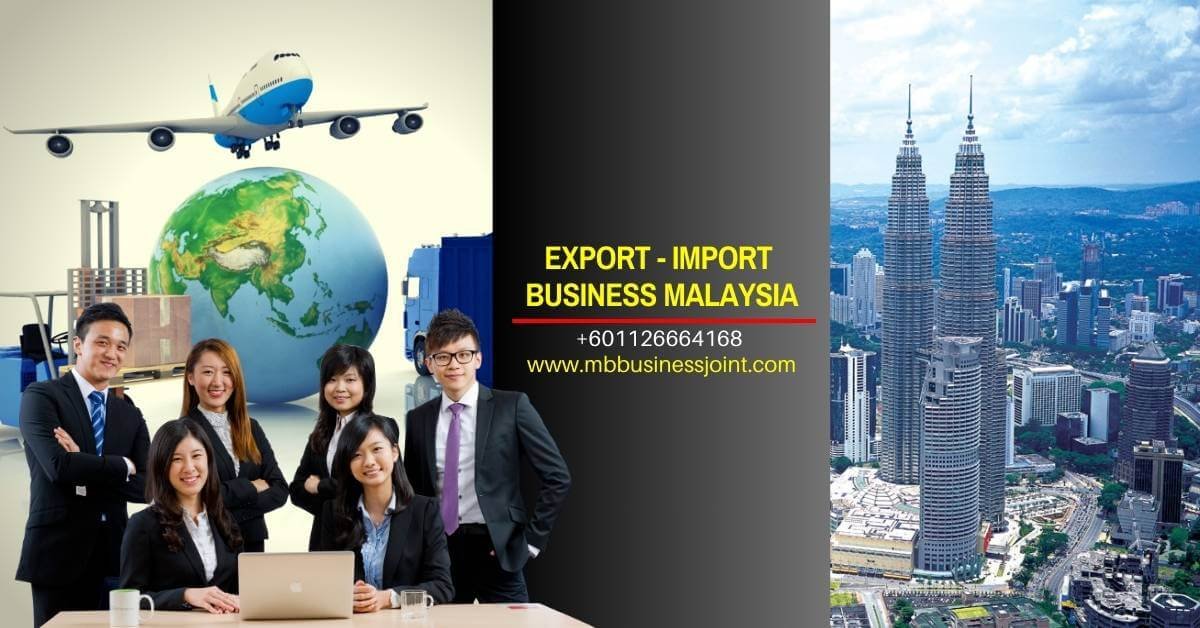
Export Import Business in Malaysia: Company Registration & Trading Guide
Malaysia can provide international traders with a practical base for importing, exporting, sourcing, distribution and regional ASEAN trade.
Building a successful trading company requires more than incorporation. The product, suppliers, buyers, banking structure, trade documents, customs position and operational flow should work together from the beginning.
Malaysia International Trade
Starting an Export Import Business in Malaysia
An export-import company can connect Malaysian and international suppliers with customers across domestic, ASEAN and global markets.
Depending on the business model, the Malaysian company may operate as an importer, exporter, wholesaler, regional distributor, sourcing company or international trading platform.
Before incorporating, identify what will be traded, where it comes from, where it will be sold, who the suppliers and buyers are and how payments will move through the business.
Why Malaysia
Why Traders Use Malaysia as a Regional Business Base
Regional Position
Malaysia can support trade involving domestic customers and wider Southeast Asian markets.
Commercial Connectivity
Ports, airports, logistics networks and industrial areas support international trade operations.
Regional Distribution
A Malaysian entity can form part of a wider ASEAN sourcing, distribution or trading structure.
Trading Models
Common Export Import Business Models
Import & Local Distribution
Source overseas goods and distribute them to Malaysian businesses or consumers.
Malaysia Export Business
Source Malaysian products and sell them to international customers.
ASEAN Trading Hub
Use Malaysia as a regional operating base for suppliers and buyers in different countries.
Procurement & Sourcing
Coordinate suppliers, purchasing, quality control and regional commercial relationships.
Product Assessment
Check the Product Before Building the Trade Structure
Different products can have different customs, permit, standards, labelling or sector requirements.
- Identify the exact product
- Determine the relevant HS classification
- Confirm source and destination countries
- Check whether the goods are controlled or restricted
- Identify any product-specific approvals
- Understand expected duties and taxes
- Plan shipping and customs clearance
Corporate Foundation
Registering a Trading Company in Malaysia
Once the trading model is clear, the company can be structured around the actual import, export or distribution activity.
Identify products, suppliers, customers, countries and expected transaction volumes.
Determine shareholders, directors, business activities and capital.
Establish the Malaysian company and its corporate foundation.
Establish the company’s tax and financial-administration structure.
Build the KYC and transaction narrative around the actual trading business.
Coordinate product requirements, customs, logistics, suppliers and buyers.
Malaysia Customs
Customs Requirements Depend on the Goods
Importers and exporters should determine whether their goods fall under any applicable import or export restrictions before trading begins.
The appropriate customs process should therefore be mapped using the product classification, source or destination country and intended transaction.
Ordinary goods and controlled goods should not be treated as if they have identical permit and customs requirements.
Import & Export Permits
Does Every Trading Company Need a MITI Approved Permit?
No single permit should be assumed to apply automatically to every product.
Certain controlled products fall under Approved Permit or other permit issuing frameworks, while other goods follow the ordinary applicable customs process.
- Check the product before assuming a permit is required
- Identify the responsible permit-issuing agency where applicable
- Review relevant product restrictions
- Prepare product documentation before shipment
- Align permits with the correct company and transaction
Trade Documentation
Build a Clean Export Import Document Flow
A trading business should maintain a consistent documentation trail linking the supplier, customer, goods, shipment and payment.
Supplier quotations, purchase orders and commercial terms.
Commercial invoice, product details and agreed payment structure.
Shipping, freight and supporting transport documentation.
Product classification and applicable customs documentation.
Customer invoice, sales agreement or purchase-order trail.
Banking transaction aligned with the documented commercial flow.
Corporate Banking Readiness
Banking Is Critical for International Trading Companies
Trading businesses commonly involve cross-border payments, foreign suppliers and international customers, so the company should be able to explain its transaction model clearly.
- Clear shareholder and director profile
- Product and business description
- Supplier-country profile
- Buyer-country profile
- Source-of-funds documentation
- Expected monthly transaction volume
- Expected currencies
- Supporting contracts, invoices or commercial evidence
Capital & Working Funds
Trading Companies Need Real Working Capital
Import-export businesses often require more working capital than service businesses because funds may be tied up in inventory, supplier payments, deposits, freight and customer credit periods.
The capital structure should therefore reflect the actual scale and transaction model rather than being planned only around incorporation.
Consider how long money remains committed between paying a supplier, shipping the goods, clearing customs and receiving payment from the customer.
Logistics
Plan Warehousing, Shipping & Distribution Early
The logistics model depends on whether the company imports for local sale, exports Malaysian goods, operates regional distribution or uses third-party fulfilment.
Sea & Air Freight
Select freight methods based on product value, size, timing and destination.
Warehousing
Decide whether the business requires its own storage or a third-party logistics partner.
Distribution
Build the local or regional distribution model around actual buyers.
Foreign Entrepreneurs
Setting Up a Malaysian Trading Company as a Foreigner
Foreign founders can consider Malaysian company structures for many international trading activities, with the appropriate structure depending on the goods, ownership model and intended operations.
The company should be designed around the genuine commercial model: products, countries, suppliers, buyers, capital and operational presence.
ASEAN Expansion
Using Malaysia as a Regional Trading Base
An international trading company can use Malaysia for more than Malaysian domestic sales.
Depending on the business model, the company may coordinate sourcing, regional distribution, procurement and international commercial relationships through its Malaysian operation.
Lim & Ani Partners Sdn. Bhd.
Export Import Company & Trading Readiness Support
We support founders in connecting company setup with the practical commercial requirements of a real trading business.
Related Malaysia Guides
Continue Your Malaysia Trading & Business Research
Learn how foreign founders can establish a Malaysian Sdn. Bhd.
Explore business setup, banking, licensing and ASEAN expansion.
Explore opportunities for foreign entrepreneurs and investors.
Explore Malaysia as an ASEAN operating and expansion base.
Compare structured company-setup pathways for foreign founders.
Discuss your trading structure, investment and market-entry plan.
Malaysia Export Import Advisory
Planning an Export Import Business in Malaysia?
Send us your nationality, products, supplier countries, target markets, expected transaction volume and whether you intend to import into Malaysia, export from Malaysia or use Malaysia as a regional trading base.